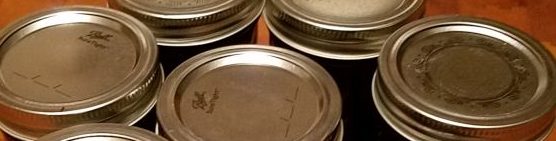
12/3/2017 – This turned out great. We will make more chorizo with this recipe and try others. Kelley and the Girls were over to decorate the Christmas tree. I bought a small fresh pork shoulder and after trimming the fat and silver skin, removed the bone and cut into about 1″ chunks and what was left weighed 5 pounds. Left some of the strips–before cutting them into chunks–to try in the grinder in contrast to chucks. [The strips worked better than the chunks as the feed quantity was more consistent. Continue reading
This cook turned out ok and provide a few lessons. The large butt was de-fatted, cut into three chunks, dry-brined plus rubbed with creole seasoning, and then smoked a long time with the initial 3 hours with full grey smoke and the middle 3 hours of light blue pecan smoke. With no wrap after the stall and a long time in the MES it had a firm dry bark.
12/01/2017, 8:30 pm – Trimmed fat from an 11.04 lb. pork shoulder and wound up as three chunks. Sprinkled on Creole Seasoning then table salt rather heavy to dry brine overnight — added like a serving that needed a lot of salt. Covered with plastic wrap on a baking sheet and back in the refer to smoke tomorrow.
Heated Passila dried peppers with seeds in a cast iron skillet to dry and crispy. Chopped into about 1/2″ rings, ground in the blender then sprinkled on the chunks. Preheated the MES set at 250 and let it coast up to 270.
12/02/2017, 7:30 AM – Put in the chunks and smoked at a grate temp of 245 with both ends of the Amazen Tray burning with pecan pellets mixed with CookinPellets Perfect Mix (no do like much) mixed 50/50 to help get rid of the Perfect Mix.
Smoke until the stall and the pellets burn out.
Wrapped in foil with more creole seasoning and a 1/4 C of ACV in each foil pack. Cooked in the oven at 250 until IT is 200 then tested for doneness; i.e. table knife inserts like into warm butter.
11:30 – Amazen tray had burned out as it jumped to the center track and all three had been burning; i.e. a steady flow of grey/blue smoke since about 9:00. Went with the girls to buy a Christmas tree.
12:30 – Refilled one slot with only pecan pellets, lite it and inserted it at this time into the MES. Inserted a temp probe into the one that was the average thickness. IT was 160.
1:30 – IT was 167 with a thin blue smoke stream.
2:30 – IT was 181 with a thin blue smoke stream
3:30 – IT was 187 with a thin blue smoke stream
4:30 – IT was 196 with a thin blue smoke stream
Kelley and the girls left and Mary and I went to the Pam & Bob Hughes Open House. Stayed longer than expected so pulled the meat at 8:30 PM. The timer had been set at 10 hours and started at 7:30 so it must have shut down about the time we left for the Hughes.
So, it set inside the slowly cooling MES and the bark dried out to a chewy almost crunchy state. But, even though the long cook should have left it falling apart, it is not. Keep in mind this was never wrapped.
The flavor of the bark is mild with a lot of smoke but not smutty. There is a slight heat or spice from the peppers in the creole seasoning and the fresh ground dry pasilla peppers.
Next Time – Do not leave it on so long. Once it hits the stall pull, wrapped and finish in the oven. Well…not so quick…read the comments below.
 12/3/2017 – Mary warmed some slowly in a pot with some of the sauce. As there is a lot of firm but not hard bark and the meat is moist it was enjoyable.
11/23/2017 – Made to take to Becky’s for Thanksgiving 2017 and it was a big hit. Inspired by the recipe at https://www.spendwithpennies.com/cranberry-waldorf-salad/ Later, had with several small dollops of vanilla yogurt for dessert and it was great.
INGREDIENTS:
- 3 cups chopped cranberries
- 1 1/3 cup seedless green grapes, chopped
- 1 1/3 cup seedless purple grapes, chopped
- 2 sweet apples, chopped with skin left on
- 2 cups celery, chopped
- 2/3 cup raisins
- 2/3 cup dried cranberries
- 1 cup chopped walnuts
- 1/2 tablespoon white sugar as the cranberries were tart
- 2 cups vanilla yogurt
- zest of an average orange.
11/18/2017 – First time to brine a fresh bird in the larger Briner bucket with Chef JJ’s Family Favorite Brine. Had good pecan smoke with temps in the 300’s. Turned out fine with, very moist even in the parts that were more none than others. Bones were a bit red but meat was done.
11/12/2017 – This was our second batch and followed the recipe used in our first batch. It did not turn out as well as the first batch although everything was crunchy and not too salty. It became very cloudy and seemed like too much yeast that may be added an off taste.
Continue readingChilies de Arbol – 15,000-30,000 Scoville units. Similar in flavor to cayenne but a bit brighter. Medium to fiery heat. This is the ground chile you often see sprinkled on fruit in Mexico. A favorite chef friend of mine grinds these in-house, for the chile flakes in his Italian restaurant. I now do too as they beat purchased chile flakes by a mile. Lightly toast in a 375°F oven then discard stems and save the seeds in a separate bowl. Grind the flesh into rough flakes and mix back with the reserved seeds. Voila.
From https://stresscake.wordpress.com/2016/01/26/make-your-own-chili-powder/
Ancho chilies are dried ripe poblano peppers. Ancho chilies, like fresh poblanos, are generally low in heat, with a distinctively sweet and raisin-like fruity flavor.
Mulato chilies are dried variety of poblano pepper, picked when very ripe. Mulato chilies are moderately hot, with a sweet, fruity, slightly smoky flavor. They’re highly appreciated for the distinctive chocolate/cherry/licorice notes that they impart to a dish.
Pasilla chilies, are dried, ripe, chilaca peppers. Pasillas are elongate, thin, and tapering, with wrinkled, nearly black skin. Their flavor is fairly similar to that of an ancho chili, with raisin and coffee notes. They also tend to be a little hotter than ancho chilies.
Above from http://www.diversivore.com/guide-to-mexican-chili-peppers/
The correct spelling for the pod of the capsicum plant is chile. This was actually read into the congressional record by Senator Pete Domenici of New Mexico. To paraphrase, chili with an “i” is the red stew that is made in Texas. Chile with an “e” is the fruit of the capsicum plant, which is the major agricultural product of New Mexico. From here.
The Holy Trinity of Mexican Chili Peppers:
“The Holy Trinity” is a tasty blend of 3 Mexican Chili Peppers. They are a staple in any Mexican kitchen, and are used in many traditional dishes.
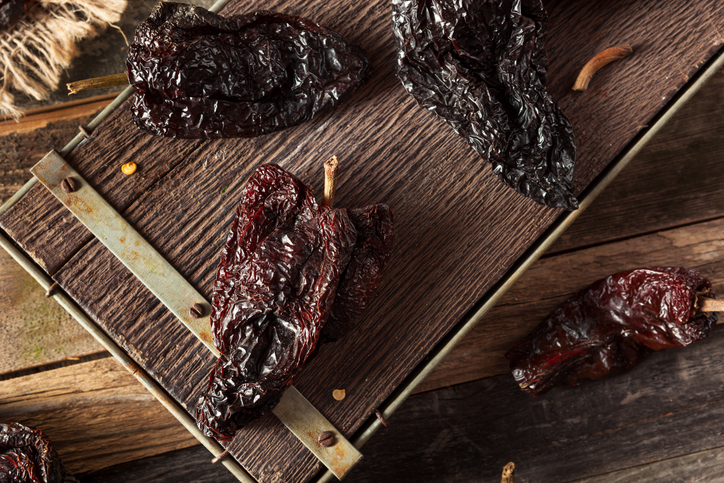
Ancho:
Dried, ripe Poblano Peppers, Ancho Chilies have a distinct sweet, fruity flavor and are lower in heat than many other peppers. They are a staple in traditional Mexican dishes, such as Mole sauce and Tamales.
-
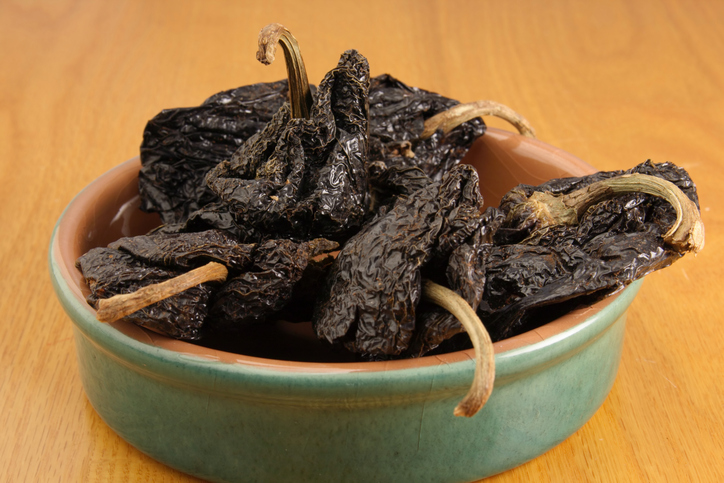
Mulato:
Mulato chilies are also a dried Poblano pepper. However, they are picked when very ripe, so the flavor is distinctly different from Ancho chilies. They have moderate heat, are still sweet like an Ancho, but also exhibit a smokey flavor. Mulato Chilies are the hottest member of the Holy Trinity and are extremely popular in Mexico.
-
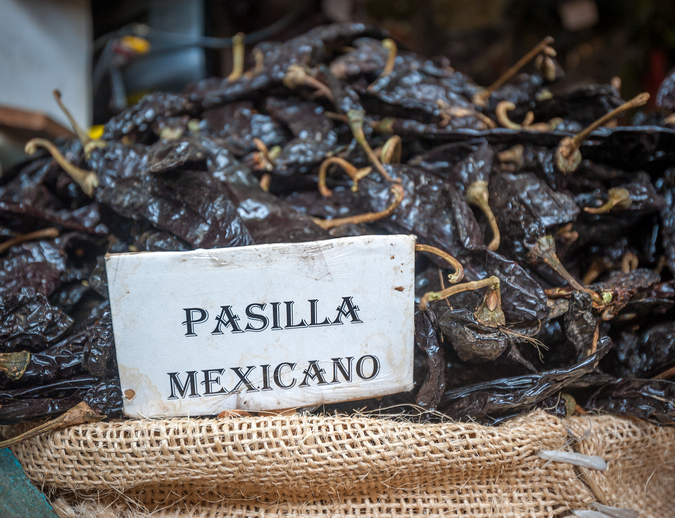
Pasilla:
The Pasilla Chile, or “Chile Negro,” is a dried Chilaca pepper. They are mildly hot, with flavors of sweet raisin and coffee. Pasilla chilies are used in a lot of meat and savory dishes, particularly in sauce.
https://www.epicurious.com/recipes/food/views/chorizo-51123400 uses dried chiles
https://www.mexicanplease.com/easy-homemade-chorizo/ Uses a combo of dried chiles and sounds authentic although he is a gringo
http://www.seriouseats.com/recipes/2014/01/easy-fresh-mexican-chorizo.html This is the best one as by a Mexican lady and uses a lot of dried peppers plus she toasts the peppers then the spices in a skillet.
This idea works only for pans that are oven safe. In addition to your Fluke you’ll need one of those digital meat thermometers that have an oven-safe wire on them so you can leave the probe in the oven (with the digital read-out unit OUTSIDE THE OVEN) (for example http://www.homedepot.com/p/Maverick-R… ).
1. Put the pan and digital probe in your oven (probe lying in the pan).
2. Turn on the oven to some favorite pan-cooking temperature, say 375F.
3. Wait until everything heats up – i.e. until the reading on the digital readout stabilizes.
4. Take out the pan and take a reading off its surface with your Fluke. If the Fluke’s reading is lower than that of the digital thermometer, lower the Fluke’s emissivity setting; if higher, increase the setting. Keep adjusting the setting until the Fluke reads the same as the digital thermometer.
5. By the time you get a temperature match things will probably have cooled down some, maybe unevenly (e.g. probe maybe cooling down faster than the pan),so put the pan and probe back in the oven, let them get back up to temperature, then repeat (4) to check / fine tune your emissivity setting.
Record your final emissivity setting. Whenever you want to use your Fluke with that pan, make sure you have it’s emissivity set at that value.
I don’t know how much your cooking oil could affect the overall emissivity (and consequently your Fluke’s accuracy), so just for the hell of it I’d repeat the whole experiment with some oil in the pan, and see what Fluke setting would be best for taking readings off an oily pan.
11/11/2017 – Inspired by the recipe here. The recipe called for 1 lb of tomatillos but I had more so prorated the other ingredients to the values cited below. After 8 days this was a great, very mild but flavorful, dipping salsa. Would be great on fish tacos, enchiladas or eggs. The final half of the jar stayed in the refer for two months and was found to be almost mushy and a bit salty. Need to eat it sooner.
Ingredients:
1 lb. 5 oz. tomatillos

2/3 medium onion
1 large jalapeno pepper
~1+ cup fresh cilantro
1+ T lime juice
5 small cloves garlic
2% brine made with Morton canning salt
Prepared the tomatillos and they weighed 1 lb 5 oz. So, increased the other quantities by 1/3 more than the original recipe. The overall weight was 888 gms. Weighted 2t of salt (estimating that 2t is 1.33 times the 1/2 T called for in the original recipe). Added 17 gm of salt to the 888 gms of ingredients for a 2% salt concentration as the amount in the recipe just did not look like enough. Perhaps it used table salt.
Yielded 4 cups and filled a quart mason jar.

Chopped everything into 3/4-1″ size chunks. Next time chopped the tomatillos smaller to flow into the blender blade better.
Chopped in the super blender only enough so that some chunky pieces remained.
Placed ingredients into a mason jar with an airlock lid on top and glass weight holding it below the brine that had already formed enough to cover the mixture.
wait 7-14 days and enjoy.
11/19/2017, 8 days later – Tried it with chips as a dip with Kelley. Not hot at all but a great flavor. We ate half the jar. Try 2-3 serrano peppers in a quart or about 1.25 pounds of tomatillos that made this quart.
1/7/2018 – The bottom third of the quart jar has been in the refer and today was sampled and the final spoonfuls used in lunches for next week. It was fairly mushy but not a lot and a bit salty. The tomatillos and onions dominated the taste profile.