
8/13/2017 – This ferment was inspired by Andrew’s Private Reserve Kimchi recipe on page 144 of our copy of Fermented Vegetables by Shockey. It turned out great. Continue reading
8/13/2017 – This ferment was inspired by Andrew’s Private Reserve Kimchi recipe on page 144 of our copy of Fermented Vegetables by Shockey. It turned out great. Continue reading
8/13/2017 – First wet brining of chicken thighs using Chef JJ’s Family Favorite Brine. Mary fried it in Smaltz made yesterday with only CBP after rinsing and with CBP and granulated garlic in floor/corn starch dredge. Not sure the brining made any difference other than making the fried chicken too salty. Mary also did not like the off color the brine gave the skin. See notes as this is worth trying again but not fried. Continue reading
 8/13/2017 – Ran out of Stubbs Hot Pork Rub so used a store bought cajun seasoning with additional course cracked black pepper. Smoked in the MES with mixture of Trafalger Hickory and _____. This smoke turned out great. Continue reading
8/12/2017 – Made the fish taco sauce below and had with fried catfish tacos with corn tortillas and all the stuff that made it a GREAT meal. The sauce pulled it together. Made about 3 hours ahead for the flavors to meld. Even better 3 days later. Continue reading
11/12/2017 – This is our first fermented jalapenos. Cut green jalapenos into 3/8″ slices leaving seeds, a carrot into 3/8″ chunks and yellow onion into 1/2″ squares enough to fill a quart canning jar packed up to the shoulder. Mixed a brine with filtered water and 2T pickling salt. Filled the loaded jar to a little over the veggies. They turned out fine. Continue reading
8/8/2017 – Fermented the first batch of Hatch Peppers. Mary bought the HOT peppers at HEB. I sliced then into 1/4″ rings and filled a 1 Qt. wide mouth jar to the shoulder. Poured in a brine of 2T pickling salt to 1 quart of filtered water. Filled up the quart wide-mouth jar to the shoulder and closed up with an air lock lid.
8/12/2017 – Ferment is cloudy and peppers are looking dull green.
8/22/2017 – The pepper slices are a little limp and a bit crunchy but not at all hot. I do not know why they were not hot as when raw the Hatch peppers are about the same a jalapeno. Had them in several lunches and they are nice but not exciting.
10/1/2017 – Peppers are fairly firm but limp and still no real heat. Good taste with the brine a little cloudy.
From a post comments at FermentationRecipes.com
Just another option for something to add to keep the crispiness of the pickles, a couple of bay leaves. Basically, any leaf that is safe to eat will add tannins to the brine to help. But I like the flavor of the bay leaf with other spices like pepper corns, mustard seed, coriander seeds, etc.
Would also suggest cutting off the blossom end of the cucumber. Helps maintain crispness.
Book Ted suggested on this website, Fermented Vegetables, is a great resource. It suggests 3/4 cup salt to 1 gallon of water to make brine for cucumbers.
From SouthernKitchen.com
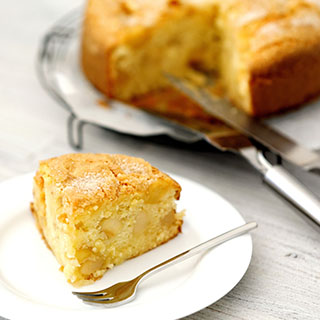
Hoe cakes, a thin cornbread cake made with only three ingredients (water, cornmeal, and salt), have been around since the early American settlements. We even hear through the grapevine that it was George Washington’s favorite food. The word hoe is 1600s England slang for “griddle,” the tool used to make the simple cakes. These days, we add a few more ingredients before we fry them up — here’s a recipe that’s great for scooping up your lunch or supper.
Ingredients
Serves 4
1/2 cup self-rising white cornmeal*
1/2 cup self-rising flour*
2 teaspoons sugar
1/3 cup buttermilk
1 large egg
1/3 cup water
2 tablespoons vegetable oil
Butter for frying
Instructions
In a bowl, mix together the cornmeal, flour, and sugar. Slowly add buttermilk and stir as you go. Add the egg to the mixture and stir well. Add water and vegetable oil until texture becomes like a thick soup. Add more water if needed.
Heat the skillet over medium heat and add butter until melted. The process is similar to making regular pancakes. Add two tablespoons of the mixture into the skillet, frying the cakes until the edges are crispy and both sides are done. Serve with creamed corn, braised greens or honey.
*Self-rising flour : 1 cup of all-purpose flour + 1-1/2 tsp baking powder and 1/4 tsp fine salt.
*Self-rising Cornmeal: 1 cup cornmeal (yellow or white) + 1-1/2 tsp baking powder + 1/2 tsp salt.
How much salt should I use for a brine?
When mixing a brine within which you will submerge your fermentables, it is common to mix to a salinity level between 1.5% and 5% with the sweet spot being in the 2-3% range. This percentage is actually a proportion by weight, so if you divide the weight of your salt by the weight of your water used, you will come up with the percentage. For example, a brine typically will have approximately 2.5 TBS salt to 4 cups of water, in my kitchen, those weights are:
Making your brine
to mix 4 cups of brine to various salinity percentages, dissolve the following amounts of salt into 4 cups of water:
2% brine – 1 TBS sea salt
3% brine – 1.5 TBS sea salt
4% brine – 2 TBS sea salt
5% brine – 2.5 TBS sea salt
Recipe below was inspired by http://www.fermentationrecipes.com/fermented-giardiniera-recipe/2146
1/2 head Cauliflower cut/broken into smaller florets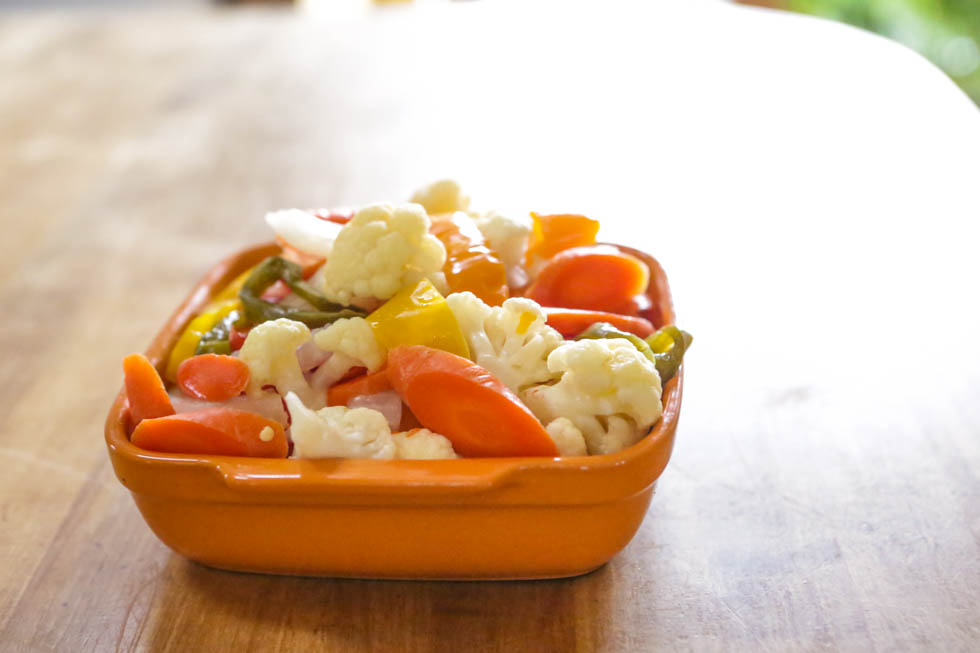
2 medium Carrots
1/2 white Onion
1/2 Jalapeño
1 Bell Peppers, colors of your choosing
8 cloves garlic
1 Tablespoon sea salt
1 Quart water
In his post he comments on the reduced salt as the recipe calls for fermenting with an air lock.