Smokey Au Jus by Chef JJ – ToTry

  • 1- Lg Onion,
  • 4-5 Carrots,
  • 3-4 Ribs Celery
  • 3-4 Peeled Cloves of Garlic

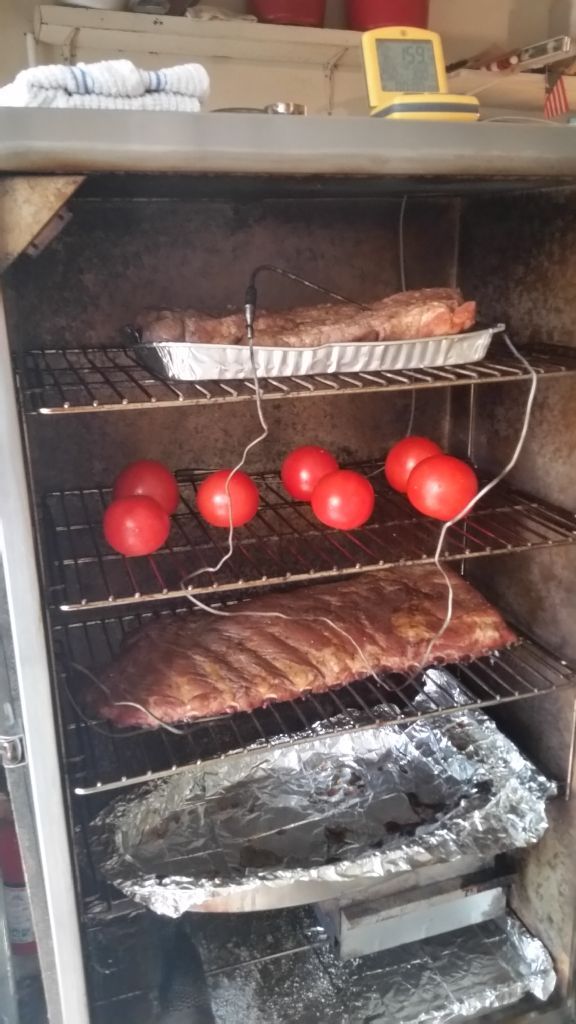
Toss them in a pan under the Beef, and let the whole deal Smoke for one hour,

  • Then add 4-6 C beef broth,
  • 2 T tomato paste,
  • 1/2 t dry thyme (4-5 sprigs Fresh)
  • 1-2 ea bay leaf

Finish the Smoking process to the IT you want.

While the Roast is resting, dump the pan juices veggies and all into a 2-3 qt sauce pot and add 1 Cup red wine, something you like to drink, and bring the Jus to a boil, lower the heat and simmer 20-30 minutes. Strain out the veggies and let the Jus rest a minute or so for the fat to rise. Skim off the bulk of the fat then using strips of paper towel laid on top of the Jus, drag quickly across to take off the last little bit of fat.

The purpose of smoking the vegetable for 1 hour before adding the broth and herbs is that the smoked vegetables roast in the dry heat concentrating their flavors and sweetness giving the finished Jus a richer, deeper, full flavor.

Serve the Au Jus on the sliced beef or thicken the Jus to make Gravy.

From Smoking Meat Forum’s Post here.

Our First Crawfish Boil

March 26, 2016. Easter Sunday.

Mary made a double recipe of Treebeard’s Chicken, Sausage and Pork Tasso Jambalaya and a double batch of cornbread in our cast iron muffin pans. The day before we had made deviled eggs and bought a 29 lb. sack of crawfish at HEB for $1.97/lb and 5 lbs of headless, ez-peel shrimp.

  • 8 pcs. 3″ long frozen corn on the cob – fresh corn was not available in our local stores
  • 5 lbs, small red potatoes,
  • 24 oz. mushrooms
  • one large onion sliced in half and some celery tops
  • one pod of garlic
  • Zatarian’s Crawfish Boil, Extra Spicy plus their shrimp boil concentrate

The Plan as Executed

Crawfish table 2016 Easter 96dpiPreface:  I was assisted by Jeff and Maggie with Fang overseeing. Of course, Mary was there staging things and keeping up with the girls.
The primary reference for the plan was the crawfish recipe at http://www.gumbopages.com/food/seafood/craw-boil.html. This boil used Jeff’s ~24 qt. turkey fry pot.
  1. Washed the crawfish three times in the pot/strainer. Dumped them loose into the cooler–where they had been in the sack–onto the ice that was still in it. Added a thin layer of ice on top of them to keep them cool as the boil would start in 2-3 hours. [Loose in the cooler made it a pain to move them to the pot]
  2. Filled the boil pot about 2/3 with water.
  3. Added about 2.5 C of the seasoning mix and the onion, celery, and head of garlic. Poured in about 4 oz. Zat’s crab boil concentrate. Brought to a boil and liked the great smell that was fairly intense.
  4. Added the potatoes and cooked about 1 min/lb ~ 5 minutes. Mary checked with knife and they were close to ready.
  5. Add the frozen corn on the cob per the directions and cooked between 12 and 15 minutes as the pot returned to boiling. [note the potatoes were still not done likely as the frozen corn cooled it down too much and not enough time to complete the potatoes once it came back to a boil.]
  6. Dipped the potatoes and corn out and put into a large stock pot with water that had seasoning added for soaking. [this pot should have simmered for a while to extract the oils from the seasoning.]
  7. Boiled shrimp until 10-15 floated. Dipped them out and into warm soak pot with corn and potatoes.
  8. Added more Zat’s Extra Spicy. Brought pot back to boil.
  9. Moved potatoes and corn into a large plastic bowl that fit into the smaller blue Igloo cube cooler to serve as a faux cambro.
  10. Put shrimp on ice in a plastic bowl. [Should have lightly salted them when they came out of the water or now. But if boiling water had been right would not have needed more salt.]
  11. Boiled crawfish in four batches of different sizes as getting the live rascals out of the cooler was not easy. Dropped some on the driveway and got pinched a few times.
  12. Brought each batch to a boil for ~2-3 minutes then added to seasoned soak pot. Tasted a few and were too mild. Added more concentrate to boil pot and soak pot as well as the dry seasoning mix. Later batches still seemed not flavorful or spicy enough.
  13. Jeff reminded me that in the restaurants they shake the seasoning on in the serving tray. That way it gets on your fingers and the meat as you eat it. That kicked them up a lot.
  14. By the last boil the smaller blue cooler — that still had the large plastic pot holding the corn and potatoes — was within 6″ of being full of red boiled crawfish piled on as they came out of the soak pot.
  15. Served them outside on the patio by scooping the crawfish/corn/potatoes/garlic onto three baking sheets with Mary’s jambalaya (she referred to the Tree Beards recipe) on rice and deviled eggs.
  16. Results:Crawfish table 2016 Easter 2 96dpi

    1. The ez-peel shrimp were crunchy so were cooked right – but not very spicy. The float indicator of being done worked again. But I think the opened shell for the ex-peel had let too much water in and the seasoning did not stay. They also needed more salt than was in the mix.
    2. The potatoes had a nice flavor and some said theirs was very spicy. Most did not get cooked all the way through.
    3. The corn was almost mushy. Likely due to using the frozen kind of the very tender sweet corn. If it had been the typical field corn–as is bought in the husk– likely would not have been mushy.
    4. The garlic pod was still intact after about 30 minutes in the initial boiling process. The cloves were firm but slightly sweet. Very nice but not much seasoning taste although there were hints of it.
    5. The crawfish were all done fine despite the random boil times. None boiled more than 5 minutes and all were taken out when a lot had floated. For the final smaller batch poured in cool filtered tap water to stop the cook then they soaked in the boil pot for ~20 minutes.
    6. I believe we should have added some salt to the boil. The Extra Spicy Zat’s seasoning was not very salty. Maybe the amount put in the water was not enough although the seasoned water was very red and before the boil there was a rich froth. After it was over there was about 3/4″ of the seasoning remaining in its plastic jug. I do not think if that had been spread into the boils that small amount would have made a difference in the need to a little salt.
  17. Next Time:

    1. Taste the boil water and soak water to be sure of the level of salt.
    2. Use fresh corn
    3. Have a hook to catch the bottom of the steaming strainer to dump it and a long sleeve shirt or towel wrapped around the arm to block the steam.
    4. Simmer the seasoning pot for a while so the oils in the seasoning would have better leached into the water. That would have made it spicier. Could also have used a second seasoning pot for a longer soak time without delaying the next batch. A work table would have been great as the driveway did not afford a good work surface.
    5. Add 2 lbs. cajun sausage using half regular blend cut into 1″ long pieces and the other half Jalapeno cut into 1/2″ long pieces. Different lengths will warn the wimps of the hot ones while letting some of the heat into the boil.
    6. Add homemade Zat’s seasoning in a cache.
    7. Add lemons.

Pulled Pork Finishing Sauce

First time made at the farm during March 2016 work week. The foil wraps of the two halves of a Pork Butt had caught a lot of dark liquid that I poured into a SS bowl and into the refer to jell. The next morning removed the heavy grease layer to expose beautiful brown jelled drippings.

Heated the jelled drippings and measured it to find there was 1-1/4 cup. Added 1-1/4 cup of apple cider vinegar and one tablespoon of Stubbs hot pork rub as did not have the usual seasonings used in finishing sauces. Simmered it for 30 minutes or so. Nice addition to the pulled pork making it very moist with a lite spicey tone. The vinegar seemed like it would be too much while heating in the pot but almost did not notice it when poured on the meat.

Next time try the seasonings used in other recipes with the 1:1 ratio of drippings to vinegar.


5/21/2016 – Had 1C jellied drippings from Butt this date that had a heavy rub of course ground black pepper, granulated garlic and cayenne. See My Rub Development post here. Drippings came from the drip pan that had been in the smoke 6 hours plus what drained out of the finished butt in the foil. Added 1C Cider Vinegar and simmered for a while. Added couple shakes of course ground black pepper. Warmed the chopped pork in deep pot slowly then poured over this sauce hot and served. Very nice added moisture.

Next time add a little cayenne.

Pork Butt smoked at Sundown Farms on St. Patrick’s Day

Afternoon before cut the 9.5 lb. roast in half and smeared with yellow mustard. Then rubbed in a solid coating of Stubbs Hot Pork Rub. put back in cryo bag and back to refer.

About 7:30 AM lite a half chimney of briquettes and when only a little black still showing poured them into the tray of the Great Smokey Mountain smoker. Added two 3″ diameter pecan logs and a long 1″ log.

About 8:30 the logs were burning and making a lot of smoke. Added the two roasts on separate racks, closed her up and adjusted the vents until is stayed in the 220-240 range.

Monitored grate temp on lower meat grate and it went up and down a lot as the logs would burn away from each other. Then when pushed them together and added some, they would finally flame up and the temp soar to 300+. I was watching each time and closed the vents some and the temp would drop fast and stabilize in the right range.

At 3 pm, moved the ChefAlarm probe to internal and found only 140. Moved it to the other roast and found 144. Removed and wrapped them in foil. Placed them in Hamilton Beach roaster set at 225.

At 6pm moma had to eat. Internal was only up to 190  and 194 in the smaller one. They were not pull apart tender with a lot of visible fat seams. Ate pieces from the small one that was ok tender but not done to pull apart standards.

The foil wraps had caught a lot of dark liquid that I poured into a SS bowl and into the refer to jell. The next morning removed the heavy grease layer to expose beautiful brown jelled drippings.

Next afternoon about 2PM – Put both wrapped in foil back into HB Roaster set at 300 knowing the roasted setting is 20-degrees higher than the actual cooking temp. Set ThermoWorks to alarm at 203 in the smaller one. When it alarmed, removed that roast and inserted probe in the larger one. Ate the smaller one and it was pull apart tender with a less grey color. Ten degrees made a lot of difference.

Heated the jelled drippings and measured it to find there was 1-1/4 cup. Added 1-1/4 cup of apple cider vinegar and one tablespoon of Stubbs hot pork rub as did not have the usual seasonings used in finishing sauces. Simmered it for 30 minutes or so. Nice addition to the pulled pork making it very moist with a lite spicey tone. The vinegar seemed like it would be too much while heating in the pot but almost did not notice it when poured on the meat.

Note – The above notes about the finishing sauce were copied into a separate post this date.

Keith’s Pulled Pork Dipping Sauce

Keith’s famous pulled pork finishing and dipping sauce.

1 cup apple cider vinegar
1 cup catsup
1 T red pepper flakes
1 T worcestershire sauce
1/4 cup brown sugar
1 T salt
1 T cayenne pepper

Simmer after you make it and again before serving.

March 2016 – First time for a pulled pork shoulder blade roast. When added the level TS of Cayenne it looked too much so scoped out maybe a third. Sauce was very good and only a little spicy.The full TS may have been ok. Will try this again as it was good. Try adding 1 T each of Worchestershire and garlic.

Pop’s Breakfast Sausage

Below extracted from here.

“Now, the one recipe I can share is my dad’s from his grocery store for his pan sausage (breakfast sausage). He sold tons of this, it’s an old-fashioned recipe from the family farm and is quite simple and basic:

Mix together :

8 oz. salt
2oz. black pepper
1oz. ground sage

Mix well.

Measure out 1/2 ounce of seasoning per pound of meat: 4oz for 8lbs.

Cut pork into 1″ or so cubes. Mix with seasoning and let set 10 min. for the salt to pull out some moisture, then remix.

Grind once or twice thru a fine plate (depends on your preference) for patties. Or, grind once, then stuff into 19mm lamb casings for little links, or 28mm to 32mm hog casings to smoke for smoky breakfast sausages.

Again, if you’re using other than full lbs. of product, you can re-proportion as described above!”

Pop’s Calcs

Click here to read the full post from which the advice below is extracted.

…”so I may only have 3 lbs. 5 oz.. of pork reserved for the Polish Sausage. How to I translate the ingredients from 25lbs. to 3lbs. 5oz. accurately so I get it right? Especially if you’re dealing with 1 oz of something that is critical not to use too much (nitrite)?

Well, first you have to find out your proportional amount. So, divide the amount you’re going to use (3lb. 5oz.) by the weight listed (25 lbs). But, you’re dealing with pounds and ounces and that won’t divide out. However, if you convert them to ounces, you can divide those:
at 16oz. per pound, 3lb. 5oz is 53oz. (48+5) and 25lb. is 400. 53 divided by 400 = .1325 or 13.25%. You’re using 13.25% of the full amount, so therefore, you can use 13.25% of each ingredient to make it proportionally correct.
Now, however, it’s hard to figure out what 13.25% of 11 oz. is. But, if you convert your ounces to grams, then it’s easy as grams are based on 10’s and are a much smaller measurement. If you print out a conversion chart from:
http://www.metric-conversions.org/co…sion-chart.pdf
you can see that 11 oz. is 311.84 grams (make it 312). Multiply 312 by .1325 and you have 41.34 grams, or about 41 grams is close enough. So, you’d measure out on your scale set to grams 41 grams of seasoning.

1oz. of cure would be .1325 of 28.34 grams, or 3.75 grams of cure – measure out just 4 grams is as accurate as you can get.

2 oz. of binder would be 56.69 x .1325 or 7.51 grams, measure 8 grams.

3lbs. of water would be 3×16 or 48 oz., which is 1360.77 grams x .1325, or 180.30 g. – measure 180 grams.

Now, put a small container on your scale and set the tare to zero. Set the scale to grams, add water to 180 g. Add binder to 188 g (180+8), then add cure to 192 (188+4). You now have the proper proportion of ingredients to season 3lbs. 5 oz. of meat! And, you won’t kill anyone by using too much nitrite!

Hope this is understandable; if not just ask and I’ll try to further explain anything more.

Pops”

Shoulder Blade Pork Butt slow smoked

Preface – The was the cook with the never ending stall.

Smithfield Shoulder Blade Pork Roast, 7.45 lbs with about a 1/4″ fat cap.20160306_060151 Bought at Randalls on Saturday, March 4th, and soon after arriving at home trimmed the fat cap to showing a lot of meat and the rest very thin. Salted it with Kosher salt on all sides. Put it in the refer on a small pie pan covered with plastic wrap. 3:30 PM

March 5, Sunday

4:00 AM – Rubbed with Stubbs Hot Pork rub and left out to warm up some.

6:15 AM – Time = 0 hours – Butt has dry brined for almost 15 hours. Weber Kettle was started with 18 briquettes in the chimney. When almost grey dumped into one end of the SnS and un-lite briquettes added to just below top of SnS with small chunk of pecan over the hot coals. Added foil over lower grate and placed ChefAlarm opposite fire and soon there was a gentle flow of puffy smoke. Added Butt with the very thin fat-cap down and clamped down the dome.

The Kettle/SnS/Chefs Alarm worked great with occasional adjustment of the air dampers, additional briquettes after 5 hours and the occasionally all afternoon. Added small pecan chunk when the smoke was no longer visible. Often did not remove the lid for 1.5 hours.

Smoker HoursGrate TempInternal TempAmbient TempOther
6:15 Am = 023056No Breeze
1238No Breeze
2233No Breeze
3224No Breeze
724416072Breezey
824816574gusting breeze
8.523517076gusting breeze
1123017274gusting breeze
12 = 6:15 PM17382No Breeze

Ended the smoke while stuck in the stall as we were hungry and the meat fibers in the outer parts seemed to break apart easily. Took it inside and opened it up. The outer areas pulled apart well but inside, and near the inside area next to the blade bone, it definitely was not done. That was 12 hours since it went on the smoker in the 215-250 range. The foil on the bottom grate had the edges turned up but so much fat fell there that it was maybe 1/2″ deep and flowed out to end up in the ash pan. It did not go beyond the stall even after 12 hours.

What we ate was good although the bark was very tough and dark–no doubt due to the 12 hour exposure to the heat and smoke.

Why? Re-read the info at Amazing Ribs.com (see link below) and given the amount of grease and water in the makeshift foil pan conclude that the roast was very moist and it was taking “forever” to dry out so the temp would go up to the target 203 degrees.

Tuesday  – Mary completed the cook in the oven starting about 4pm at 225 wrapped in foil. About 5pm she raised the temp to 250 and removed it about 6:45. It was done but not “pull apart” tender. Bark is almost black and hard.

Next Butt Smoke – Based on Amazing Rib’s page about the stall (click here) and to avoid having dry over-smoked bark, like we did this cook:

  1. use the Texas Crunch foil wrap after 4-5 hours in with an 8 lb. butt, or:
  2. On that page Meathead tells of a chef who:
    1. wraps tightly in foil when his bark is the right deep mahogany color;
    2. he keeps it in the foil until 190-200;
    3. takes it out of the cooker and unwraps [to let the bark dry some];
    4. then wraps in a towel and into the Cabro [towel would further dry the bark or at least absorb the evaporation that would occur with uinwrapped].
    5. In another article the advice was to catch the drippings from inside the wrap to make finishing sauce.


Chicken Lazone

This recipe comes from the restaurant “Brennan’s” located in New Orleans. This recipe is posted exactly as it was in the book [so said the source]. For more heat add some cayenne pepper. It was developed by their Chef Lazone Randolph.

INGREDIENTS for 4 whole boneless skinless chicken breasts

1 teaspoon salt
1-1/2 teaspoons chili powder
1-1/2 teaspoons onion powder
2 teaspoons garlic powder
4 whole boneless skinless chicken breasts
1/4 cup butter, divided
1/2 cup heavy cream

DIRECTIONS

  1. Combine the seasonings and coat chicken breasts.
  2. In large saute pan melt half of the butter and cook chicken over medium heat for about 7 to 8 minutes, turning once.
  3. Pour the cream into the skillet and lower the heat.
  4. Simmer for several minutes, stirring until the sauce thickens then add the remaining butter.
  5. When butter is melted place chicken breasts on four plates and top with the sauce.

Extracted from Food.com

Smoked Cabbage, Potatoes, Sausage & More ToTry

Cabbage, red potatoes, large sweet Texas onion, bacon and a great country sausage. http://www.smokingmeatforums.com/t/242143/lightbox/post/1524381/id/452237″>

Cover it loosely with foil. Smoked it at 275 for about 3 hours covered loosely with foil. Also I added about a 1\2 in of water to cover bottom of pan. Crisp the bacon slightly before putting it together.

Compiled Ingredients:
Cabbage
red potatoes
large sweet Texas onion
bacon – crisped it up slightly before putting it together
country sausage
Creole Seasoning