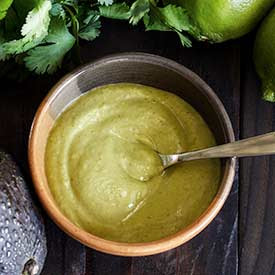
Paleo Avocado-Cilantro-Lime Sauce Recipe

A substitute for mayo and other gluten containing sauces.
Paleo Avocado-Cilantro-Lime Sauce Recipe

Ingredients

  • 1 avocado, pitted
  • 1/4 cup fresh lime juice
  • 1/4 cup chopped cilantro leaves
  • 1/2 jalapeno pepper, seeded
  • 2 tbs olive oil
  • 1 tsp chipotle seasoning
  • 1/2 tsp garlic
  • 1/2 tsp cumin
  • Salt to taste

Instructions

  1. Simply add all the ingredients to an electric blender and pulse until smooth
  2. Add up to a 1/4 cup of water to thin if needed
  3. Store in refrigerator until ready to serve

http://paleonewbie.com/paleo-avocado-cilantro-lime-sauce/

HEART ATTACKS AND WATER

Preface: Good advice below but do not know the source

I [do not know who I is] asked my Doctor why people need to urinate so much at night time. Answer from my Cardiac Doctor – Gravity holds water in the lower part of your body when you are upright (legs swell). When you lie down and the lower body (legs and etc) seeks level with the kidneys, it is then that the kidneys remove the water because it is easier. This then ties in with the last statement!

Correct time to drink water… Very Important. From A Cardiac Specialist!
Drinking water at a certain time maximizes its effectiveness on the body
2 glasses of water after waking up – helps activate internal organs
1 glass of water 30 minutes before a meal – helps digestion
1 glass of water before taking a bath – helps lower blood pressure
1 glass of water before going to bed – avoids stroke or heart attack

My Physician told me that water at bed time will also help prevent night time leg cramps. Your leg muscles are seeking hydration when they cramp and wake you up with a Charlie Horse.

====================

Mayo Clinic Dr. Virend Somers, is a Cardiologist from the Mayo Clinic, who is lead author of the report in the July 29, 2008 issue of the Journal of the American College of Cardiology.

Most heart attacks occur in the day, generally between 6 A.M. and noon. Having one during the night, when the heart should be most at rest, means that something unusual happened. Somers and his colleagues have been working for a decade to show that sleep apnea is to blame.
1. If you take an aspirin or a baby aspirin once a day, take it at night.
The reason: Aspirin has a 24-hour “half-life”; therefore, if most heart attacks happen in the wee hours of the morning, the Aspirin would be strongest in your system.
2. FYI, Aspirin lasts a really long time in your medicine chest, for years, (when it gets old, it smells like vinegar).

==================
Something that we can do to help ourselves – nice to know. Bayer is making crystal aspirin to dissolve instantly on the tongue. They work much faster than the tablets.

Why keep Aspirin by your bedside? It’s about Heart Attacks.
There are other symptoms of a heart attack, besides the pain on the left arm. One must also be aware of an intense pain on the chin, as well as nausea and lots of sweating; however, these symptoms may also occur less frequently.

Note: There may be NO pain in the chest during a heart attack.
The majority of people (about 60%) who had a heart attack during their sleep did not wake up. However, if it occurs, the chest pain may wake you up from your deep sleep.
If that happens, immediately dissolve two aspirins in your mouth and swallow them with a bit of water.
Afterwards: – Call 911. – Phone a neighbor or a family member who lives very close by.- Say “heart attack!” – Say that you have taken 2 Aspirins.
Take a seat on a chair or sofa near the front door, and wait for their arrival and …DO NOT LIE DOWN
Mary’s Cole Slaw

Ingredients for Mary’s slaw as of Nov. 2014:

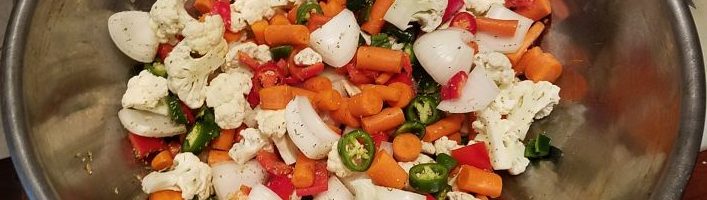
  • 14 oz. precut premium cole slaw with carrots
  • 2 carrots, some red onion, 3 stalks celery – all chopped to add taste and crunch
  • 1/4 C  pecan oil
  • 3 T apple cider vinegar
  • mayonnaise in Tom’s portion
  • 1/4 T Dijon mustard
  • 1/4 tsp granulated garlic
  • 1/2 tsp celery seed
  • salt and cayenne pepper to taste

Broiled Cauliflower Steaks with Parsley and Lemon

Mary made this Nov. 21, 2014 for the first time and it was GREAT.

Recipe courtesy of Alex Guarnaschelli and Food Network
Total Time: 2 hr 45 min
Prep: 15 min
Inactive: 2 hr
Cook: 30 min

Yield: 8 to 10 servings

Ingredients

Cauliflower:
2 large heads cauliflower (2 to 2 1/2 pounds each)
Kosher salt
Two 13 1/2-ounce cans unsweetened coconut milk
2 tablespoons coriander seeds, lightly crushed
1 teaspoon red pepper flakes
Vinaigrette:
2 tablespoons fresh lemon juice
2 tablespoons Dijon mustard
2 tablespoons red wine vinegar
2/3 cup extra-virgin olive oil

Gremolata:
1 cup flat-leaf parsley leaves, chopped
Zest of 1 lemon
2 medium cloves garlic, minced

Directions

For the cauliflower: Place the first head of cauliflower upright (stem-side down) on a flat surface. Using a large knife and imagining that you are creating two large steaks from each head of cauliflower, trim a little off each end so that when you split the cauliflower in half, each half will lie flat. Cut the cauliflower in half. You should yield two “steaks,” each weighing about 14 to 15 ounces. Repeat with the other cauliflower.

Bring 6 quarts of water to a rolling boil in a pot large enough to hold the cauliflower steaks. Add salt until the water tastes like mild seawater. (How will you know? Take a little water with a spoon and taste a drop of it.) Layer a baking sheet with a kitchen towel. Add the cauliflower steaks to the boiling water and cook until they are slightly tender when pierced with the tip of a knife, 6 to 8 minutes. Use a large slotted spoon or spatula to carefully transfer the steaks to the baking sheet to drain.

In a container large enough to fit the cauliflower snugly, whisk the coconut milk together with the coriander, red pepper flakes and a generous pinch of salt. Submerge the steaks in the coconut milk marinade and refrigerate for at least 2 hours and up to 24 hours.

For the vinaigrette: Whisk together the lemon juice, mustard and vinegar in a medium bowl. Slowly whisk in the olive oil. Set aside.

For the gremolata: Combine the parsley, lemon zest and garlic in a small bowl. Set aside.

Finish the cauliflower: Preheat the oven to 375 degrees F.

Remove the cauliflower steaks from the coconut milk marinade and arrange them in a single layer on a baking sheet. Season with salt. Place in the oven and cook until tender, 10 to 15 minutes. Heat the broiler and place the cauliflower under the broiler for a few minutes, until the top chars. Transfer the steaks to a serving platter (or individual plates) and drizzle liberally with all of the vinaigrette. Top with all of the gremolata. Add a pinch more salt if desired. Serve immediately.

Recipe courtesy of Alex Guarnaschelli

Lucy Buffett’s Oyster Dressing

Lucy Buffett’s Oyster Dressing

From the New Your Times Cooking web site

Lucy Buffett and her famous brother, Jimmy, grew up in Mobile, Ala., where seafood from the Gulf of Mexico is a key player in the culinary canon. Mr. Buffett went on to a giant career in music. His sister Lucy opened the freewheeling LuLu’s restaurant in Gulf Shores, Ala. When they were children, oyster stuffing was always on the Thanksgiving table. And it still is. “Usually, it’s all gone by the end of the day because the kids go back for thirds and fourths, just digging directly into the pan,” she said.

Ms. Buffett likes to use cornbread with a little sugar in it, often relying on a box mix. But any cornbread recipe will do. The best bread is an inexpensive white loaf from the grocery store that will break down into a smooth texture. The oysters don’t have to be from the Gulf of Mexico, but fat Gulf oysters are best for conjuring the brackish low tides and sunsets of the Buffett family youth.  

Lucy Buffett’s Oyster Dressing

Lucy Buffett’s Oyster Dressing

1 hour 15 minutes 8 to 10 servings

Ingredients

  • 12 tablespoons/1 1/2 sticks unsalted butter, divided, plus more for baking dish
  • 1 (8-inch-square) baked and cooled cornbread, preferably on the sweet side
  • 15 slices white or wheat bread, toasted and cooled
  • ½ large white onion, finely chopped
  • 2 celery ribs, finely chopped
  • ½ large green bell pepper, finely chopped
  • ½ cup chicken broth, plus more as needed
  • 2 dozen freshly shucked or jarred oysters, preferably Gulf oysters, drained and coarsely chopped (reserve the oyster liquor)
  • ¼ cup freshly squeezed lemon juice
  • 1 tablespoon hot sauce, preferably Crystal
  • ¼ cup fresh flat-leaf parsley, finely chopped
  • 1 tablespoon fresh sage, finely chopped, or 1 teaspoon ground sage
  • 1 ½ teaspoons truffle salt or sea salt
  • ½ teaspoon ground white pepper

Preparation

  1. Heat oven to 350 degrees. Butter a 9-by 13-inch baking dish.
  2. Crumble cornbread into a large bowl. Tear toasted white or wheat bread into very small pieces, add to cornbread, and toss to combine
  3. Melt 8 tablespoons butter in a large sauté pan over medium heat. Add onion, celery and bell pepper; sauté, stirring occasionally, for 3 minutes. Cover pan and cook, stirring occasionally, until vegetables are almost translucent, 5 to 6 minutes. Remove cover, add broth, and cook, scraping up any browned bits from the bottom of the pan, for 2 to 3 minutes. Continue to cook mixture for 1 more minute, then remove from heat, add to bread mixture, and stir to combine.
  4. In a medium bowl, stir together oysters, lemon juice, hot sauce, parsley, sage, salt and white pepper. Add to bread mixture and stir well to combine. If dressing seems too dry, add a little oyster liquor and up to 1/2 cup more chicken broth; mixture should be very moist.
  5. Pour dressing into greased baking dish. Cut remaining 4 tablespoons butter into small pieces and scatter over top of dressing. Bake until top and sides are browned, 40 to 45 minutes.

View in

Caesar Dressing from Cooks Illustrated

1/2 C Mayonnaise
1/2 C Grated Parmesan Cheese
2 T Lemon Juice
1 T White wine vinegar
1 T Worcestershire sauce
1 T Dijon mustard
3 Anchovy fillets  (did not use this in first batch)
1 garlic clove minced
1/2 t Salt
1/2 t fresh ground pepper

Blend all the above about 30 sec. then drizzle in the olive oil below until emulsified.

1/4 C extra virgin olive oil drizzled

Copied from the Dec 2014 magazine as part of a slightly wilted Kale salad recipe.

========================================

11/23/2014 – First batch as a double and it tasted great. Did not add the 6 Anchovy fillets as did not have them. Decided they would be more pungent chopped fine and added with the dressing. Without them it should also keep longer.

Jalapenos–Stuffed bacon wrapped

Bought some at HEB after tasting their take-out and noting ingrediets.

Ingredients:

  • 2-3′ long jalapeno, cut in half and remove seed and pulp.
  • cream cheese
  • bacon, thin sliced with not much fat

Directions:

  1. Preheat over to 425 degrees
  2. place on a foil lined back sheet.
  3. Roast covered in center of oven for 25-30 minutes. Remove when thermometer in center read 160 degrees
  4. Let stand 10 minutes before serving.

I was sure I would find seasoning inside but did not.

Shrimp Creole by Paula Deen

Shrimp Creole by Paula Deen – Could use the seasoning with chicken as it appears to be the basic tomato creole foundation.

Ingredients

2 tablespoons olive oil
1/2 cup diced green bell peppers
1/2 cup diced onions
1/2 cup diced celery
1 teaspoon chili powder
1 (14-ounces) can tomatoes
1 (8-ounce) can tomato sauce
1 tablespoon hot sauce
1 tablespoon Worcestershire sauce
1 teaspoon white sugar
Salt and pepper
1 1/2 pounds peeled and deveined shrimp
Green onions, for garnish

Directions

Preheat crock pot on high.

In fry pan, heat olive oil. Add peppers, onions and celery. Cook until softened. Add chili powder and saute until caramelized. Remove from heat and pour into crock pot. Add tomatoes, tomato sauce, hot sauce, Worcestershire, white sugar, salt and pepper.

Cook for 3 hours. Add shrimp and cook for about 3 minutes. Serve over rice. Top with chopped green onions.

Read more at: http://www.foodnetwork.com/recipes/paula-deen/shrimp-creole-recipe.html?oc=linkback

Also see Shrimp Etouffee by Paula Dean. Instead of clam use shrimp broth made with shrimp hull and head.


Hummingbird Bundt Cake

Hummingbird Bundt Cake

From pineapple to cream cheese, Hummingbird BPhoto: Jennifer Davick; Styling: Annette Josephundt Cake has the same ingredients as the original popular layer cake but simplified by baking in a Bundt pan.

Southern Living FEBRUARY 2012

  • Yield: Makes 10 to 12 servings
  • Hands-on:20 Minutes
  • Total:3 Hours, 45 Minutes

Ingredients

Cake Batter

  • 1 1/2 cups chopped pecans
  • 3 cups all-purpose flour
  • 2 cups sugar
  • 1 teaspoon baking soda
  • 1 teaspoon ground cinnamon
  • 1/2 teaspoon salt
  • 3 large eggs, lightly beaten
  • 1 3/4 cups mashed ripe bananas (about 4 large)
  • 1 (8-oz.) can crushed pineapple (do not drain)
  • 3/4 cup canola oil
  • 1 1/2 teaspoons vanilla extract

Glaze

  • 4 ounces cream cheese, cubed and softened
  • 2 cups sifted powdered sugar
  • 1 teaspoon vanilla extract
  • 1 to 2 Tbsp. milk

Preparation

1. Prepare Cake Batter: Preheat oven to 350°. Bake pecans in a single layer in a shallow pan 8 to 10 minutes or until toasted and fragrant, stirring halfway through.

2. Stir together flour and next 4 ingredients in a large bowl; stir in eggs and next 4 ingredients, stirring just until dry ingredients are moistened. Sprinkle 1 cup toasted pecans into a greased and floured 14-cup Bundt pan. Spoon batter over pecans.

3. Bake at 350° for 1 hour to 1 hour and 10 minutes or until a long wooden pick inserted in center comes out clean. Cool cake in pan on a wire rack 15 minutes; remove from pan to wire rack, and cool completely (about 2 hours).

4. Prepare Glaze: Process cream cheese, powdered sugar, vanilla, and 1 Tbsp. milk in a food processor until well blended. Add remaining 1 Tbsp. milk, 1 tsp. at a time, processing until smooth. Immediately pour glaze over cooled cake, and sprinkle with remaining 1/2 cup toasted pecans.

Classic Basil Pesto

September 1, 2014, Labor Day – The base recipe for this pesto came from page 161 of our copy of Cook’s Illustrated Cookbook.  We had about 10 cups of smashed pesto leaves grown in the backyard.

“WHY THIS RECIPE WORKS”

“Our goal in developing our pesto recipe was to heighten the basil and subdue the garlic flavors so that each major element balanced the other. We started with plenty of fresh basil, pounded to bruise it and release flavorful oils. To tame the raw garlic edge, we toasted it, toasting the nuts as well to give them flavor. We used a food processor to combine the ingredients in our pesto recipe quickly and easily, then thinned out the mixture with a little pasta water before tossing with the pasta; this allowed for good distribution throughout the pasta, softened the flavors, and highlighted the creaminess of the cheese and nuts”

“Pounding the basil releases its flavorful oils into the pesto more readily. Basil usually darkens in homemade pesto, but you can boost the green color a little by adding the optional parsley. For sharper flavor, substitute one tablespoon finely grated pecorino Romano cheese for one tablespoon of the Parmesan. The pesto can be kept in an airtight container, covered with a thin layer of oil (1 to 2 tablespoons), and refrigerated for up to four days or frozen for up to one month.”
All quoted text above was extracted from the cited cookbook.
9/1/2014 – The ingredients below and the instructions have been modified to be what we did that first time and had the best classic pesto (i.e. without cream cheese) I ever made. We filled one ice cube tray with the first 4C batch, covered it will aluminum foil and froze it.

INGREDIENTS

  • 4 cups fresh basil leaves that had been bruised in a zip lock bag by rolling the beating the bag with a rolling pin
  • 6 large cloves of garlic, unpeeled toasted in a cast-iron skillet then peeled, trimmed, and roughly chopped
  • 1/2 cup walnuts toasted in the cast-iron skillet over medium heat
  • Kosher salt and fresh ground black pepper to taste
  • Drizzled enough olive oil to make a thick paste as the ingredients spun in the processor
  • 1/4 cup roughly grated parmesan cheese stirred in after processing

INSTRUCTIONS

  1. Toast the nuts in a cast-iron skillet over medium heat, stirring frequently, until fragrant, about 5 minutes; set aside.
  2. Added the garlic to the empty skillet and toasted it over medium heat, shaking the pan occasionally until the garlic cloves had a few dark brown roasted spots from the hot skillet.  Removed husks once the garlic has cooled.
  3. Put the basil in a heavy-duty 1-gallon Zip-lock bag. With an Italian rolling pin squeezed out the air and rolled on both sides in alternating directions. Then pounded the flatten bag across one direction then another then flip and repeated so all the leaves were bruised.
  4. Processed everything but the cheese–scraping down the sides of the processor to be sure it is consistent–until smooth.  Moved to a mixing bowl and stirred in the Parmesan and adjusted the salt.